World Artifacts › Atlas › South Africa
Rooibos Tea
Rooibos grows only in one mountain range in the Western Cape and nowhere else on earth, despite repeated attempts. It has no caffeine, and the name is now protected in law the way champagne is.
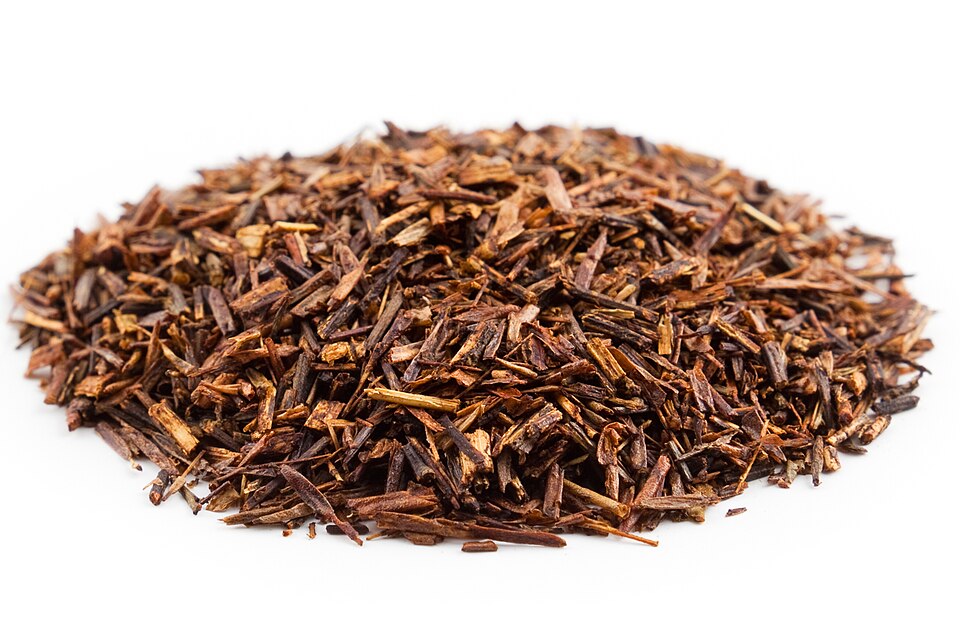
Rooibos ( ROY-boss; Afrikaans: [ˈroːibɔs] , lit. 'red bush'), or Aspalathus linearis, is a broom-like member of the plant family Fabaceae that grows in South Africa's Fynbos biome. The leaves are used to make a caffeine-free herbal infusion that has been consumed in Southern Africa for generations. Internationally since the early 2000s, rooibos became more commonly consumed, possibly due to its earthy flavour and aroma similar to those of yerba mate or tobacco.
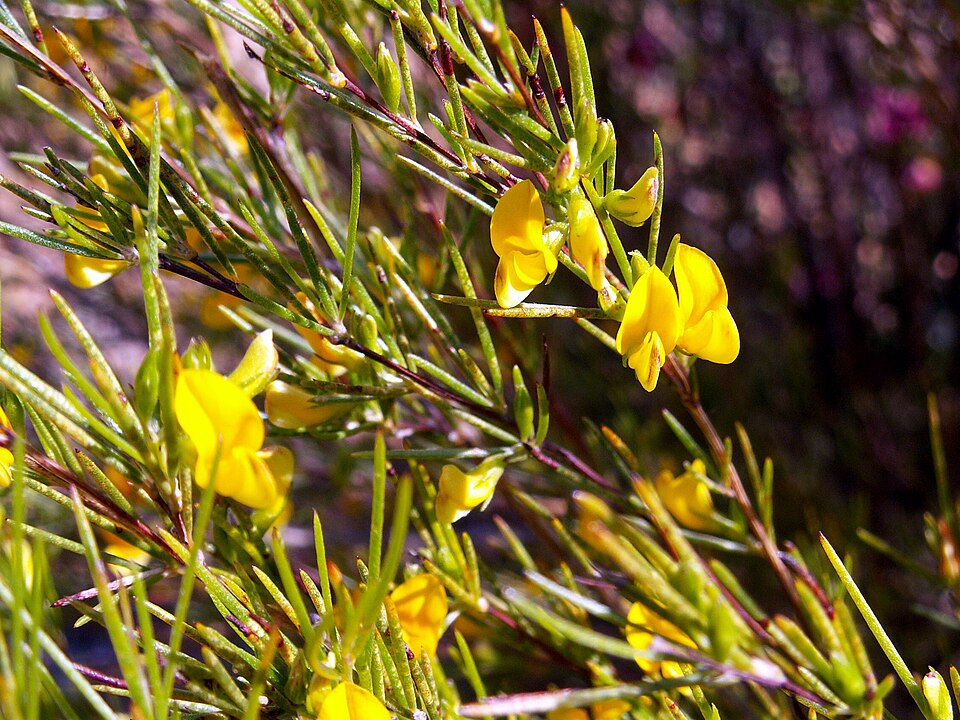
Outside of Southern Africa, it is called bush tea, red tea, or redbush tea (predominantly in Great Britain). The name rooibos is Afrikaans deriving from rooi bos, meaning 'red bush'. The name is protected in South Africa and has protected designation of origin status in the EU.
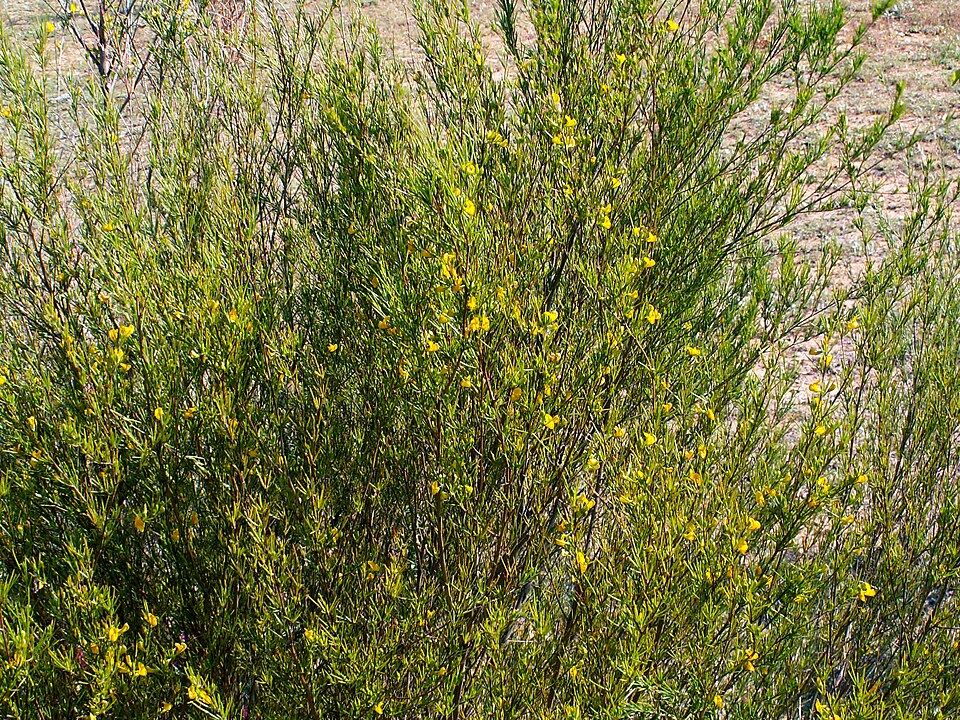
Rooibos was formerly classified in the genus Psoralea but is now thought to be part of Aspalathus, following Dahlgren (1980). The specific name of linearis, for the plant's linear growing structure and needle-like leaves, was given by Burman (1759).
Rooibos Tea is one of the 3D puzzles in World Artifacts: turn a cloud of broken pieces until it lines up. For iPhone, iPad, Apple Vision Pro and Android.

